
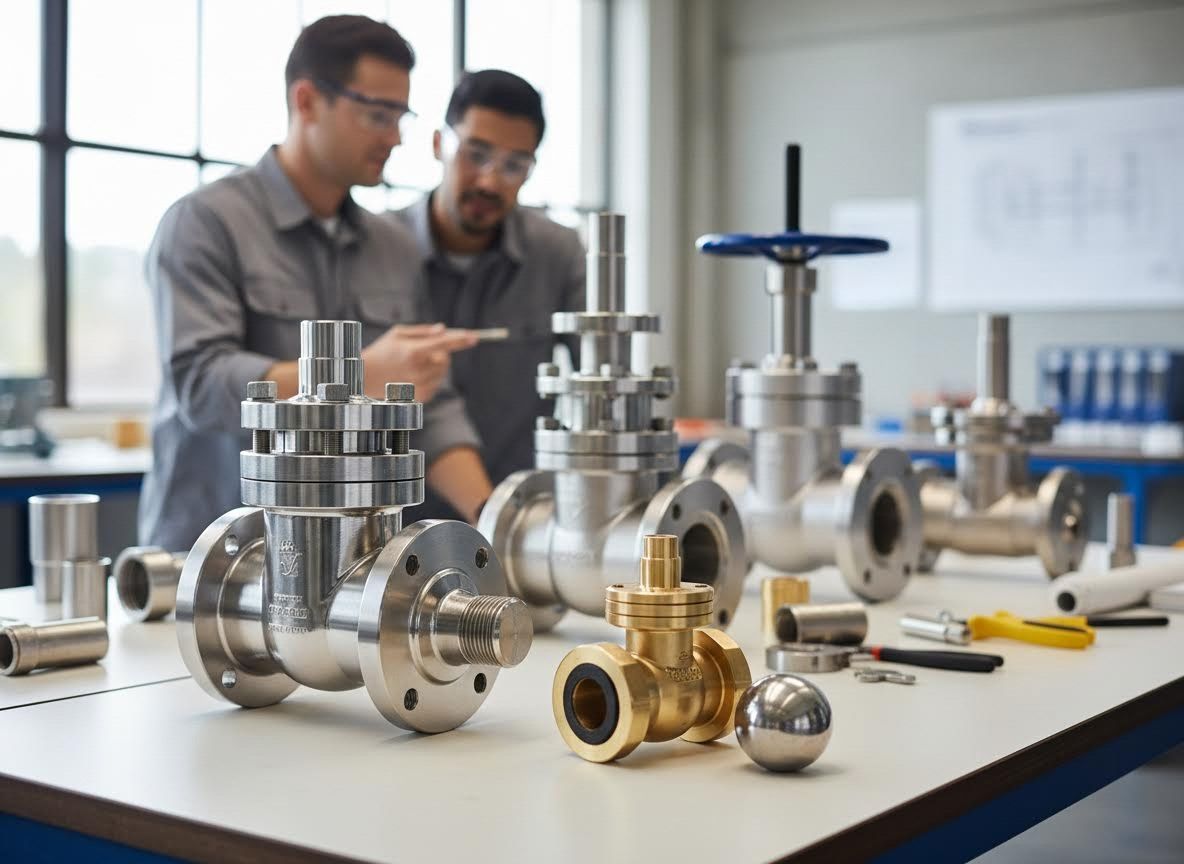
Valves are the unsung heroes of any robust pipeline infrastructure, orchestrating the flow of vital resources. When it comes to ensuring efficiency, safety, and reliability in demanding industrial environments, ball valves frequently stand out as a preferred choice. Understanding the various types available and selecting the optimal design is paramount for sustained operational success, a core principle that JAB Services upholds in its commitment to the energy sector. This insight is crucial for operations managers, field foremen, and procurement managers striving to maintain seamless processes.
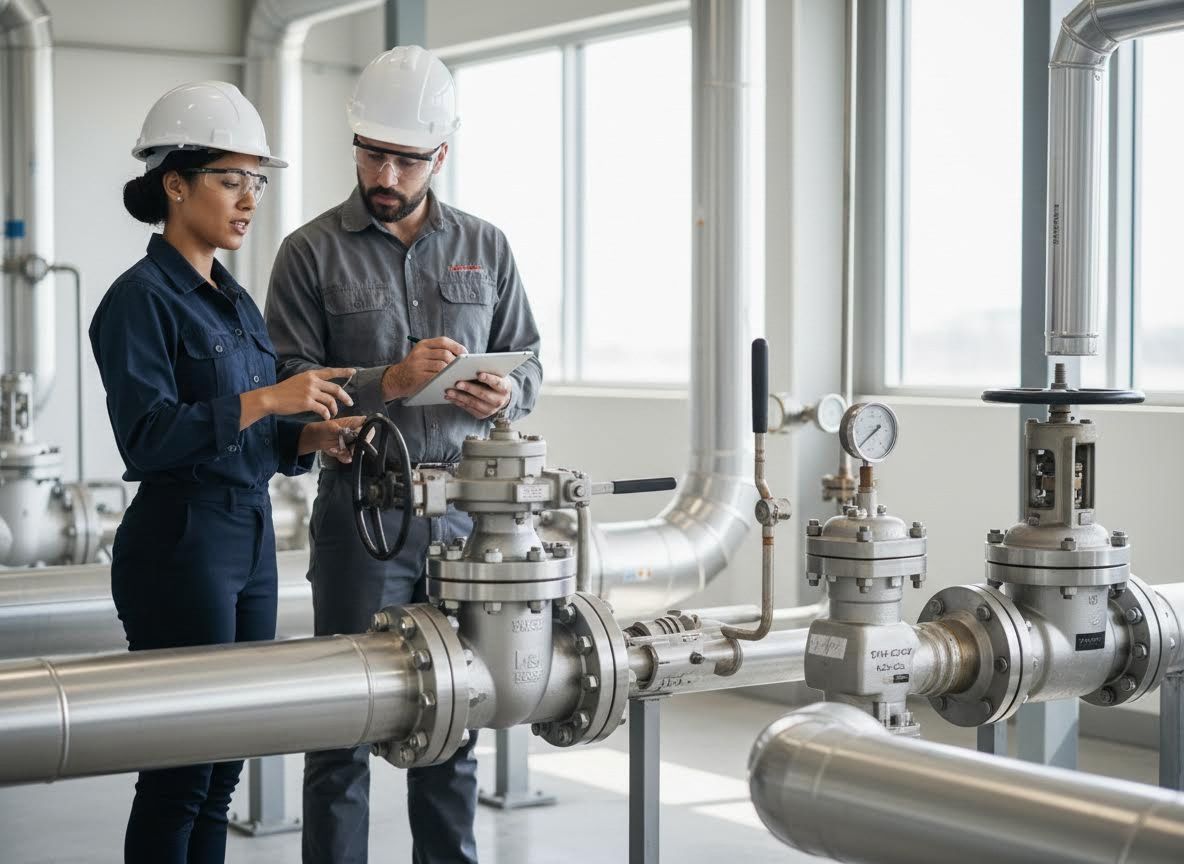
Understanding Basic Ball Valve Designs
The fundamental distinction in ball valve design often centers on how the ball is supported within the valve body. Floating ball valves feature a ball that is held in place by the compression of two elastomer seats, which deform under pipeline pressure to create a seal. These are generally suitable for smaller sizes and lower-pressure applications. In contrast, trunnion-mounted ball valves utilize a mechanical anchor, or trunnion, at the top and bottom of the ball. This design ensures that line pressure is absorbed by the trunnion, reducing stress on the seats and allowing for larger valve sizes and higher pressure services, crucial for high-volume valves for pipelines. Choosing between these designs depends heavily on specific operational pressures, pipe diameter, and flow requirements.
Exploring Specialized Ball Valve Configurations
Beyond the basic floating and trunnion designs, specialized ball valve configurations offer solutions for unique operational challenges. Multi-port ball valves, for example, allow for flow diversion or mixing from multiple inlets to multiple outlets, reducing the need for several conventional valves. Top-entry ball valves are designed to allow for in-line maintenance without removing the valve from the pipeline, significantly reducing downtime and simplifying pipeline valve repair. Side-entry valves are the more common and economical choice, suitable for applications where a line break is acceptable for maintenance. Each specialized design offers distinct advantages in terms of installation, maintenance, and operational flexibility within diverse oilfield services scenarios.
Material Selection and Certification Standards
The performance and longevity of any ball valve are intrinsically linked to its material construction and adherence to industry standards. Materials such as carbon steel, stainless steel, and various alloys are chosen based on the fluid medium, temperature, pressure, and corrosive environment. For instance, sour gas service demands specific material compositions to prevent sulfide stress cracking. Moreover, certifications like ASME and API provide crucial benchmarks for valve design, manufacturing, and testing, ensuring that valves can withstand the rigorous demands of pipeline operations. For critical safety applications, valves that are NB and VR certified are essential, as these signify that they can be tested and recertified to strict safety codes, providing an indispensable layer of reliability.
The Long-Term Value of Maintenance and Reconditioning
While selecting the right ball valve is critical, its long-term efficiency also relies on proactive maintenance and lifecycle management. Even the most robust valves can suffer wear and tear from continuous operation or abrasive media. Implementing scheduled inspections and engaging in timely pipeline valve repair can prevent minor issues from escalating into significant operational disruptions. When a valve shows signs of wear, valve remanufacturing and reconditioning present a cost-effective and environmentally responsible alternative to outright replacement. This process can restore a valve to its original specifications or even upgrade its performance, extending its service life and maintaining the integrity of the pipeline system.
The careful selection, application, and maintenance of ball valves are fundamental to achieving optimal pipeline efficiency and ensuring the safety of critical infrastructure. From understanding the nuances of floating versus trunnion designs to navigating specialized configurations, material choices, and essential certifications, each decision impacts operational integrity. JAB Services stands as a reliable partner in navigating these complexities, offering robust solutions tailored to the stringent demands of the energy sector. For a deeper dive into optimal valve solutions for your specific operational needs, consider connecting with our team of industry experts who can guide you through the intricacies of valve technology and service.