
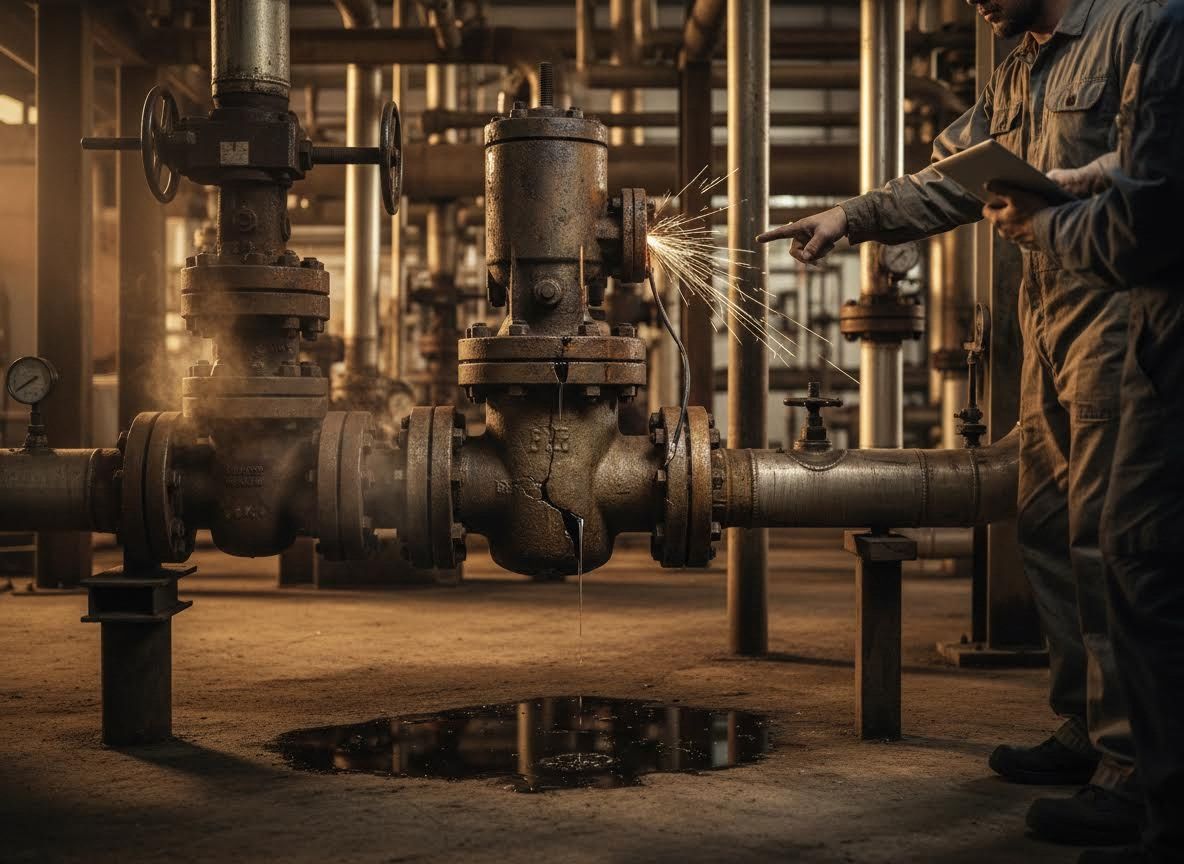
The reliability of process control valves is paramount to the safety and efficiency of any oil and gas operation. These critical components regulate flow, pressure, and temperature, directly impacting production output and system integrity. Recognizing the early warning signs of declining valve performance is not just good practice; it's essential for maintaining continuous operations and preventing costly downtime. At JAB Services, we understand the immense pressure to keep systems running optimally.
Inconsistent Process Control
One of the clearest indicators that a process control valve is failing is inconsistent or erratic process control. If you observe fluctuations in flow rate, pressure, or temperature that cannot be attributed to changes in operational demand, your valve may be struggling to maintain its set point. This instability can lead to off-spec products, increased energy consumption, and severe downstream operational inefficiency. For critical production and midstream assets, these system inconsistencies can cause widespread facility disruptions, making a timely diagnosis and professional control valve repair or rebuild essential to restoring system stability.
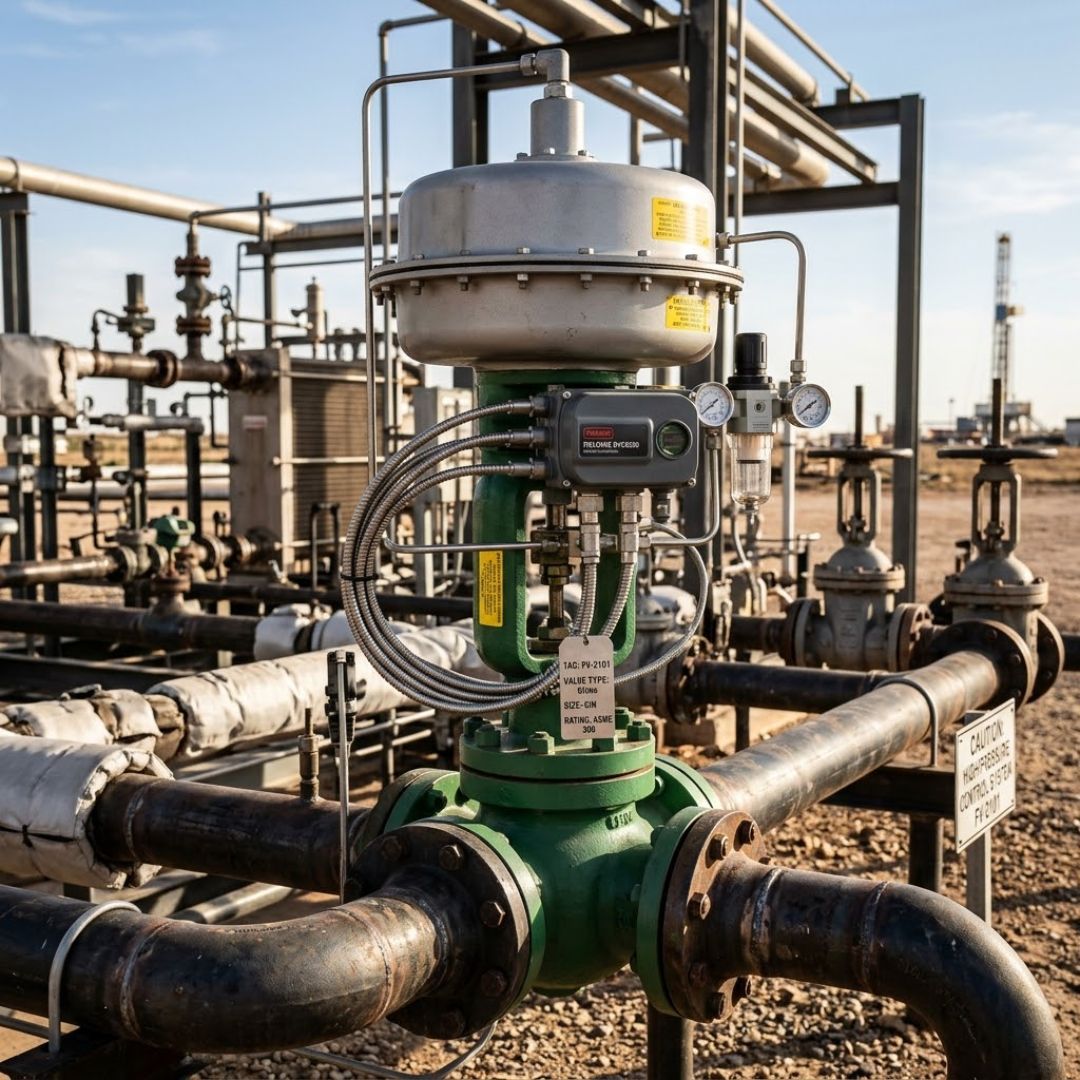
Increased Leakage, Internal or External
Any form of leakage is a critical sign of valve distress. External leaks are an obvious concern, posing safety hazards and environmental risks, and are typically due to worn packing or seals. Less apparent, but equally detrimental, is internal leakage (seat leakage), where the valve fails to shut off completely. This can lead to product bypass, wasted energy, and reduced system efficiency, directly impacting profitability in oilfield services. Both types of leakage signify compromised integrity and a need for immediate attention.
Unexplained Noise, Vibration, or Actuator Problems
A well-functioning control valve should operate smoothly and quietly. Unusual noises such as chattering, cavitation, or excessive vibration indicate internal wear, improper seating, or even turbulent flow within the valve. Furthermore, if the valve's actuator is slow to respond, fails to reach its commanded position, or exhibits erratic movement, it often points to issues with the valve stem, packing, or internal components. These physical symptoms are undeniable calls for a thorough inspection and potential service.
Reduced Flow Capacity or Increased Pressure Drop
Over time, wear, corrosion, or scaling can degrade the internal components (trim) of a process control valve, restricting its ability to pass the required flow or leading to an excessive pressure drop across the valve. If your system is struggling to achieve target flow rates or if you notice a significant increase in the differential pressure across the valve while flow remains constant, it suggests internal obstructions or damage that are hindering its performance. Addressing this proactively through valve remanufacturing and reconditioning can restore the valve's original design capacity.
Ignoring these performance indicators can escalate minor trim wear into significant operational failures, leading to extensive facility downtime and substantial financial losses. Proactive maintenance and timely field intervention based on these signs are crucial for ensuring the longevity and efficiency of your infrastructure. To safeguard your operations and eliminate costly supply chain delays, contact JAB Services today for a precision rebuild quote and put our Odessa-based machine shop to work for your team.