
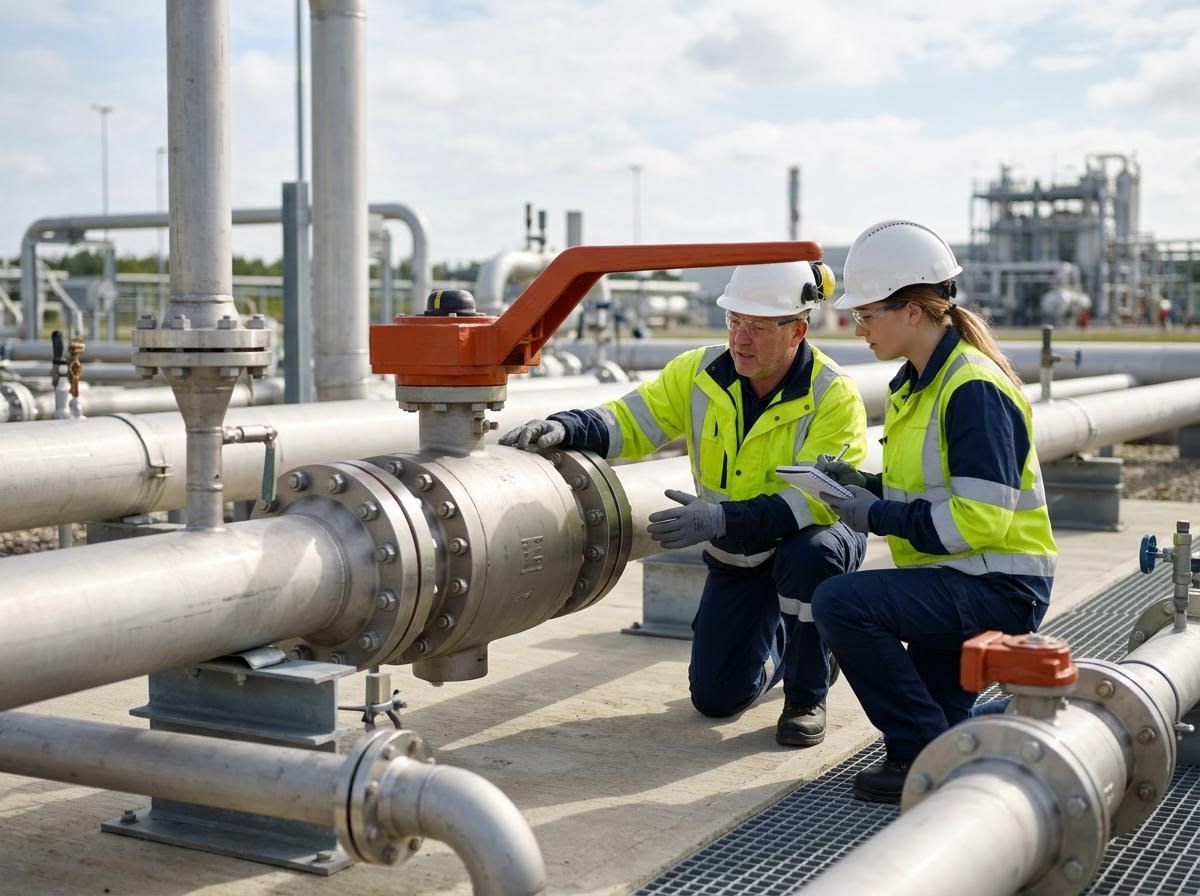
Ball valves are indispensable components in the vast and complex networks of pipelines that crisscross the energy sector. Their robust design and reliable operation make them a go-to choice for managing fluid flow in critical applications. Understanding the various types of ball valves and their specific uses is paramount for ensuring operational efficiency and safety. In this post, we’ll delve into the essential characteristics of these vital devices. At JAB Services, we recognize the critical role these components play in keeping operations running smoothly.
The Core Functionality of Ball Valves
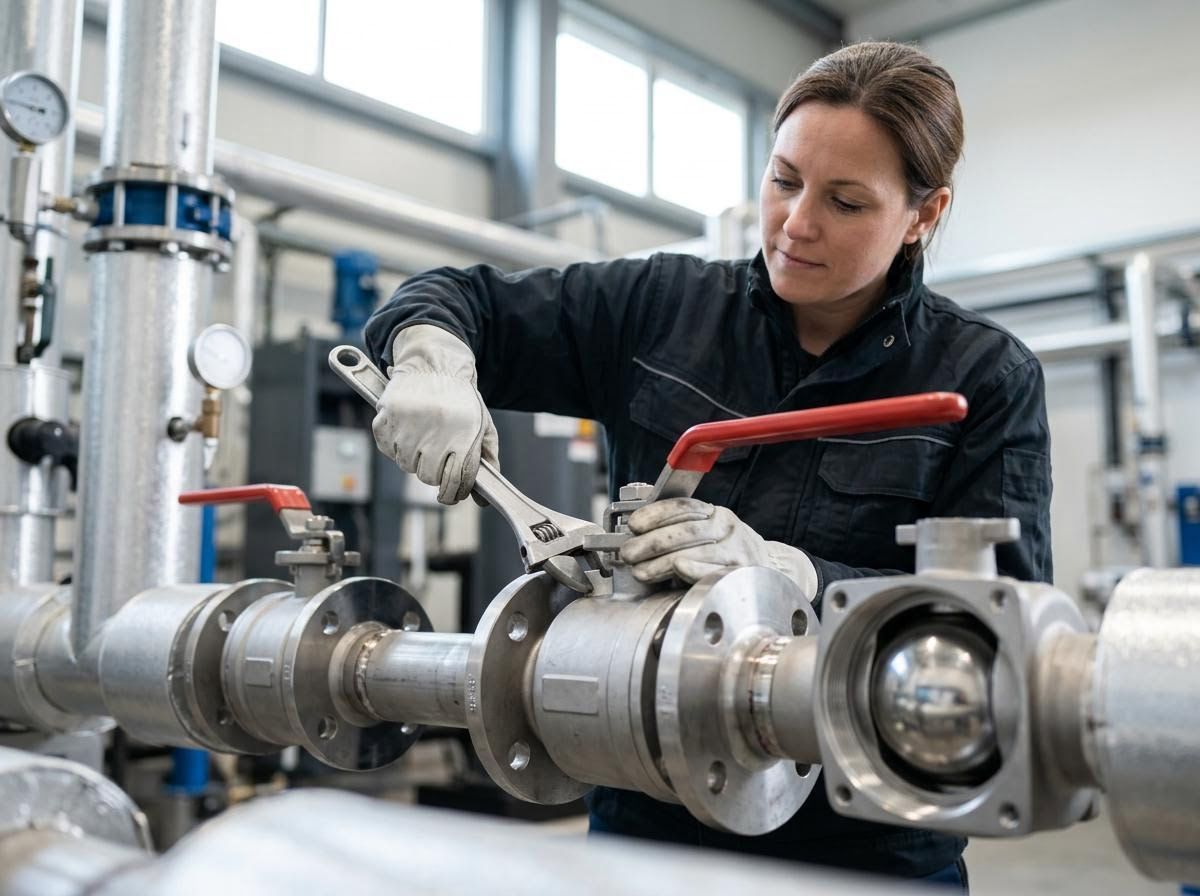
At their most fundamental, ball valves are quarter-turn valves that use a rotary ball with a bore to control the flow of a liquid or gas. When the valve is open, the bore is aligned with the pipeline, allowing flow. A 90-degree turn of the handle or actuator then rotates the ball, closing the bore and stopping the flow. This simple yet effective mechanism provides quick shut-off capabilities and a tight seal, which is crucial for isolation in pipeline systems. Their compact design and relatively low maintenance requirements make them highly valued in diverse industrial settings.
Understanding Different Ball Valve Constructions
While the basic principle remains the same, ball valves come in several distinct constructions, each suited for particular pressures, sizes, and applications.
Floating Ball Valves: In this common design, the ball is held in place by the compression of two seats, allowing it to "float" slightly downstream under pressure, which enhances the seal. These are typically used in smaller pipelines and lower to moderate pressure applications.
Trunnion Mounted Ball Valves: For larger diameters and high-pressure service, trunnion mounted ball valves offer superior support. The ball is anchored at the top and bottom by trunnions, which absorb the line pressure, reducing torque requirements and seat wear. This design is preferred for main pipeline applications, offering greater reliability and longer service life under demanding conditions.
Entry Types:
Side Entry (Split Body) Ball Valves: These valves are assembled from multiple pieces, allowing for easier maintenance and repair of internal components, which is vital for oilfield valve repair.
Top Entry Ball Valves: Designed for in-line maintenance without removing the valve from the pipeline, they are advantageous where minimizing downtime is critical.
Welded Body Ball Valves: Offering maximum integrity and preventing external leakage, these are often used in buried pipelines or applications where absolute leak prevention is a top priority, common among oilfield valves texas.
Actuation and Pipeline Applications
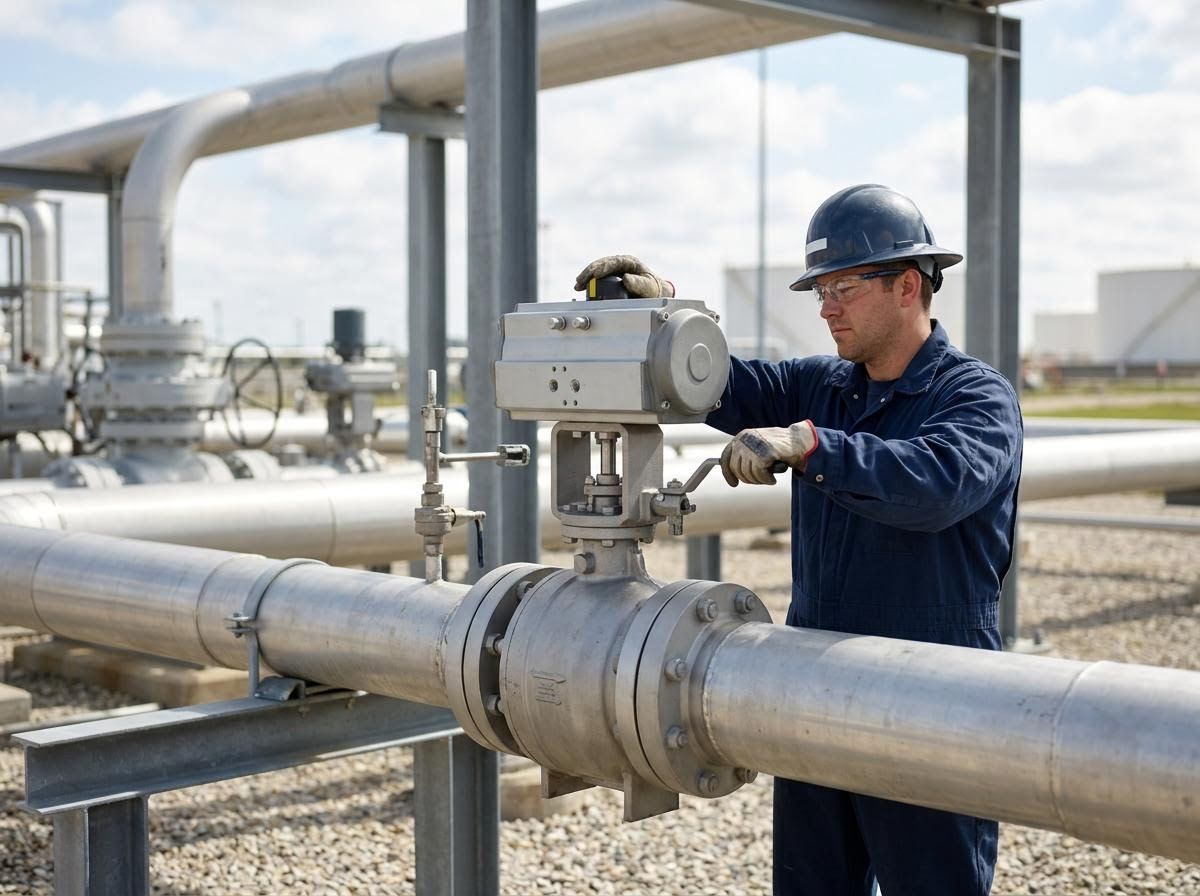
The operation of ball valves can be manual, with a lever or gearbox, or automated using various actuators. Pneumatic, hydraulic, and electric actuators enable remote operation, precise control, and integration into automated process systems. These actuated valves are essential for complex operations where rapid response or sequential control is necessary. In pipeline applications, ball valves are primarily used for on-off service and tight shut-off, making them ideal for emergency shutdown systems, isolation points for maintenance, and general flow diversion. While they are generally not chosen for precise throttling due to potential seat damage, specialized V-port or characterized ball valves can offer some flow control capabilities for specific needs. Their robust nature makes them a critical part of the infrastructure, ensuring safe and efficient transport of hydrocarbons.
Conclusion
The selection of the appropriate ball valve type is a critical decision that impacts the safety, efficiency, and longevity of any pipeline operation. From floating designs for general service to trunnion-mounted units for high-pressure lines, understanding these distinctions is key to operational success. When it comes to maintaining these essential components, ensuring their reliability through expert oilfield valve repair and servicing is non-negotiable. For detailed information on specific valve types or to explore how our expertise in pipeline and production valves can support your operations, consider reaching out to JAB Services.