

In the demanding world of oil and gas, the reliable performance of every component is paramount, especially when it comes to process control. Fisher control valves are integral to maintaining operational stability and safety, but like any hard-working equipment, they require vigilant attention to perform optimally. Recognizing the early warning signs of distress can prevent costly downtime, ensure safety, and extend the lifespan of these critical assets. JAB Services understands the urgency of these situations and the precision required for maintaining such vital equipment.

The Unseen Workhorse: Why Control Valve Health Matters
Control valves are the silent workhorses of industrial processes, regulating parameters like flow, pressure, temperature, and liquid levels. In the oil and gas sector, a malfunctioning control valve can lead to inefficient operations, product loss, environmental incidents, or even catastrophic safety failures. Proactive identification of issues and timely control valve repair are not merely best practices; they are foundational to operational integrity. Understanding the subtle cues a valve provides is key to maintaining a robust and reliable system, preventing minor issues from escalating into major problems.
Spotting Early Warning Signs: Operational Irregularities
Two common indicators that your Fisher control valve may be in distress involve its fundamental function:
Erratic Flow or Pressure Control: If your valve is struggling to maintain a steady flow rate or consistent pressure, or if it's overshooting or undershooting set points, it's a clear sign something is amiss. This inconsistency can point to issues with the valve's trim, actuator, positioner, or even calibration.
Unusual Noises or Vibrations: A healthy valve operates smoothly. Any new sounds like banging, hissing, grinding, or excessive vibration can indicate internal damage, cavitation, flashing, or even loose components. These noises aren't just annoying; they are often precursors to significant mechanical failure.
When Malfunctions Demand Immediate Attention
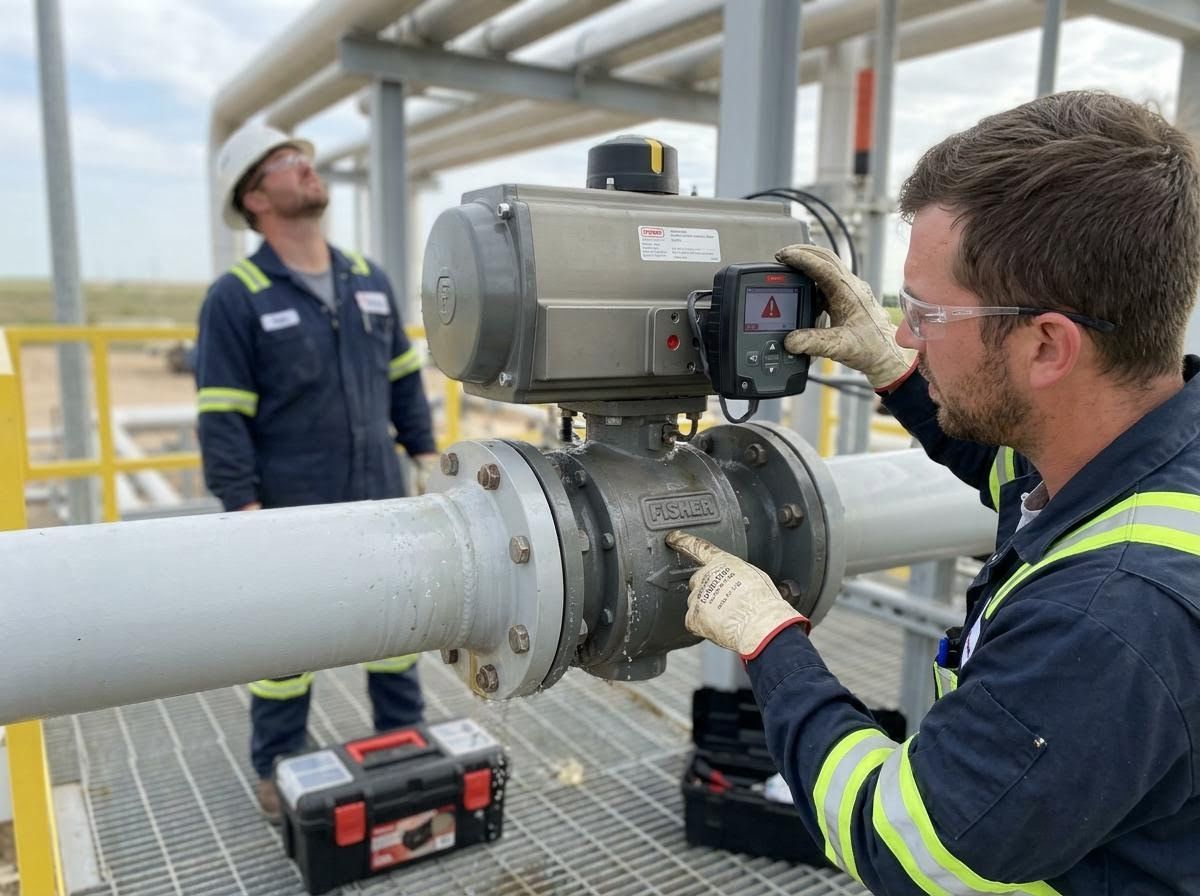
Beyond operational inconsistencies, some signs directly signal an urgent need for professional intervention to address your oilfield valve repair requirements: 3. Visible Leaks: Any fluid or gas escaping from the valve body, packing, bonnet, or flange connections demands immediate attention. Leaks not only represent product loss and environmental concerns but can also indicate internal erosion, corrosion, or seal degradation, compromising system integrity and safety. 4. Slow or Sticking Operation: A valve that takes longer than specified to open or close, or gets stuck in a particular position, poses a serious operational risk. This can be due to excessive friction, actuator issues, debris accumulation, or corrosion within the valve's moving parts. Such sluggishness can severely impede process control and lead to unsafe conditions. 5. Actuator Malfunctions or Error Codes: Modern Fisher control valves are often equipped with sophisticated actuators and positioners. If the control system reports error codes related to valve position, diagnostics, or if the actuator fails to respond to commands, it's a critical indicator that internal components are failing or communication pathways are compromised. Addressing these electronic or pneumatic issues promptly is crucial for maintaining automated control.
Ensuring Uninterrupted Operations
Vigilance in monitoring your control valves is crucial for maintaining efficient and safe operations in the oil and gas industry. Recognizing these five signs – erratic control, unusual noises, visible leaks, slow operation, and actuator malfunctions – can be the difference between minor maintenance and major system failure. JAB Services specializes in providing expert oilfield valve repair, remanufacturing, and field services, ensuring your critical assets like relief valves and ball valves perform reliably. To learn more about optimizing your valve maintenance strategy and how we can support your operational needs, reach out to our team of experts.